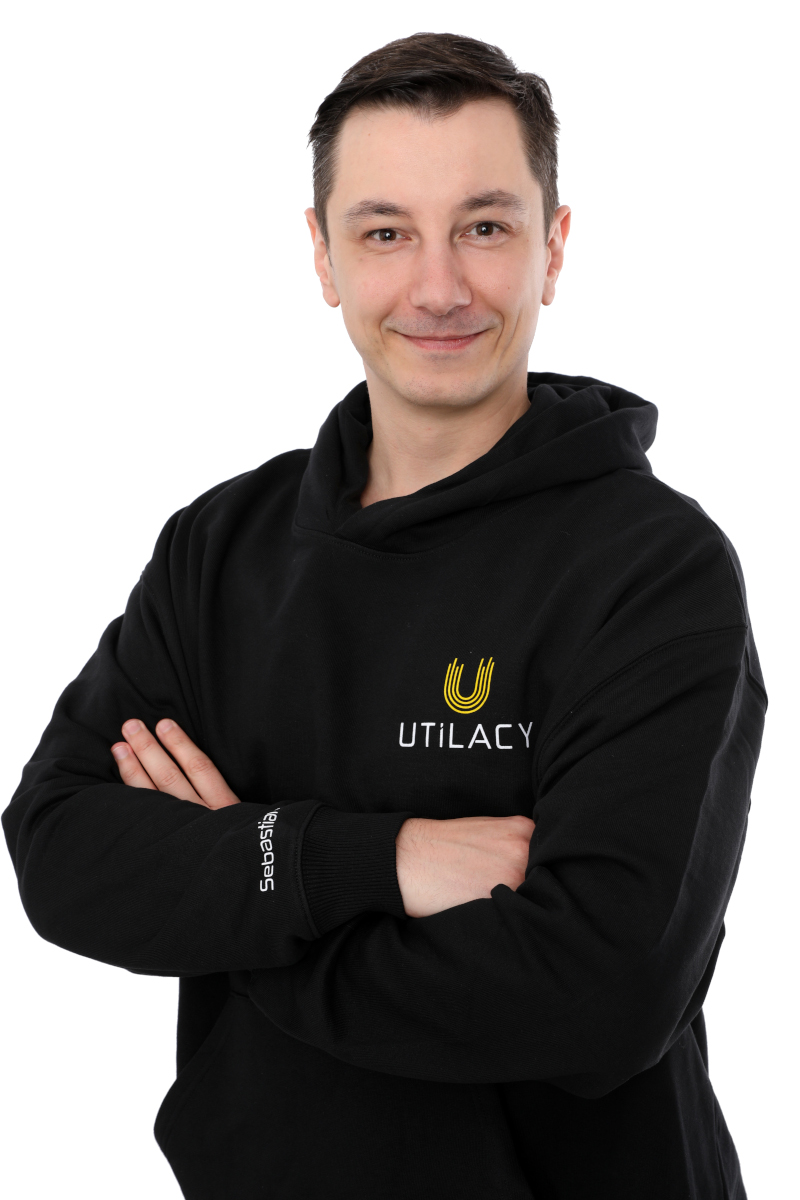
Sebastian Overhage
Co-Founder & Managing Director
Sebastian leads product strategy and business development, connecting cryptographic technology with real-world customer needs.
About Us
A world where services operate without access to or control over our data.
We make plaintextless services and distributed control the default.
Our Story
Born from cryptographic research at the University of Wuppertal,
utilacy brings privacy technology into everyday infrastructure.
2022
We received the Gründungspreis+ for digital innovations from the German Federal Ministry for Economic Affairs.
2023
Supported by EXIST Transfer of Research, we developed utilacy from cryptographic research at the University of Wuppertal and founded utilacy GmbH.
2024–2025
A patent for TLShare was filed in 2024 and granted in 2025.
2025–2026
With BMBF StartUpSecure support, we developed InvisiCloud for real-world deployment.
Today
We are bringing InvisiCloud to market and extending its protection model to more digital services.
Meet the team
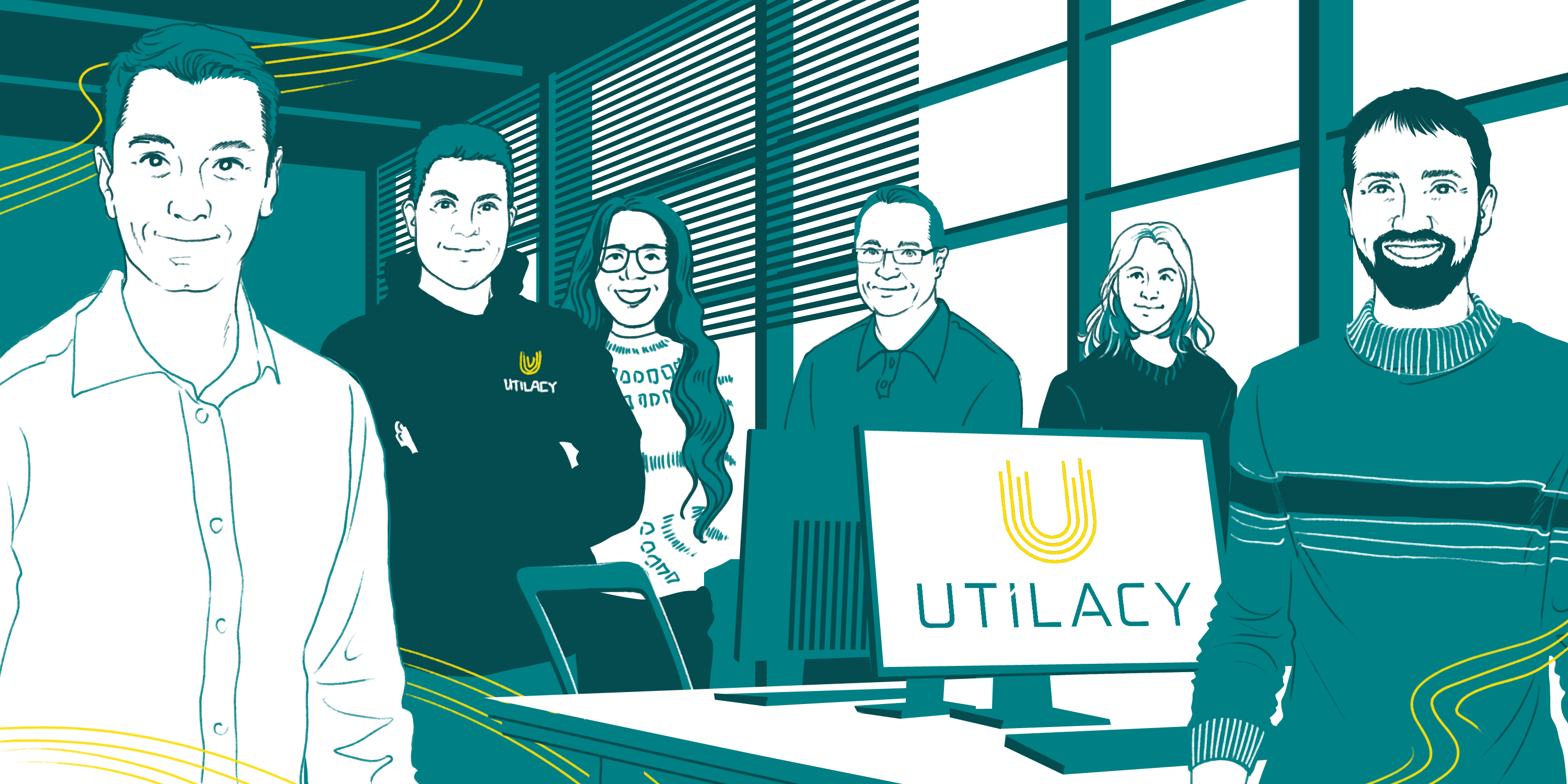
We turn cryptographic research into practical, privacy-preserving infrastructure.
Co-Founder & Managing Director
Sebastian leads product strategy and business development, connecting cryptographic technology with real-world customer needs.
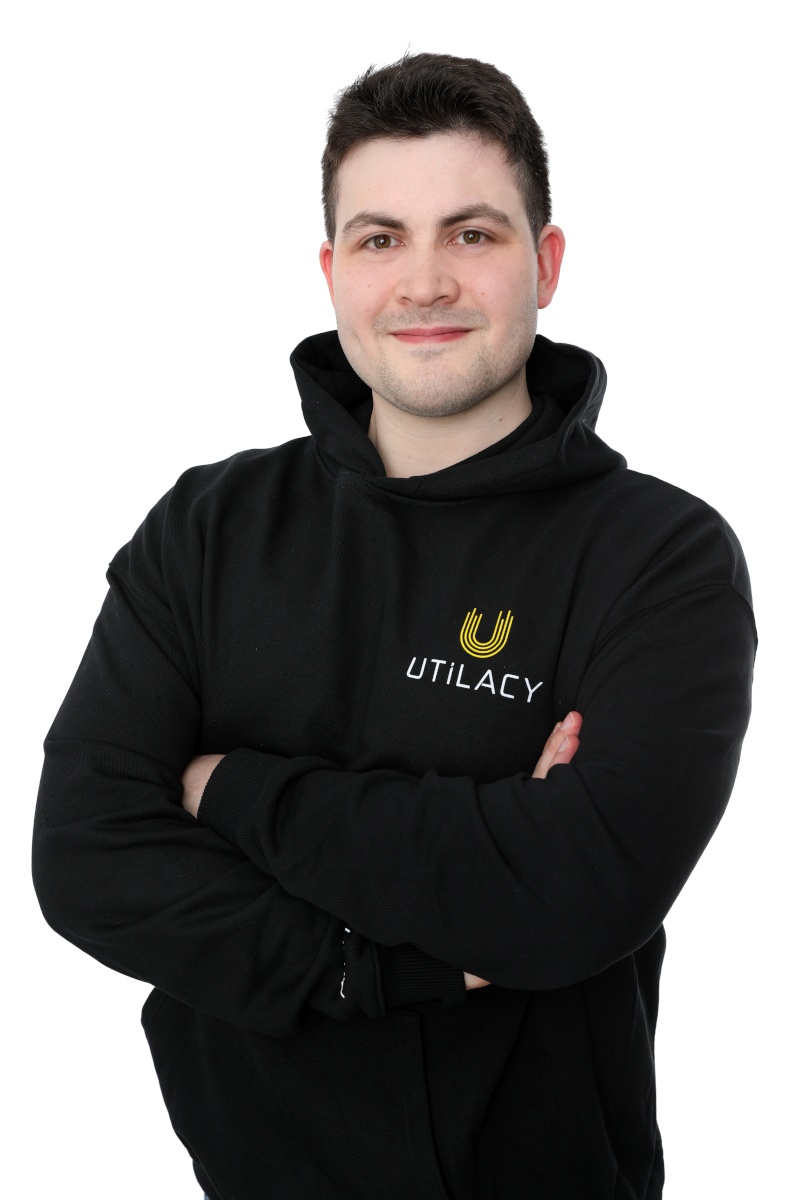
Co-Founder & Technical Lead
Amin leads InvisiCloud’s engineering and architecture, combining secure software, distributed systems, and SMPC.
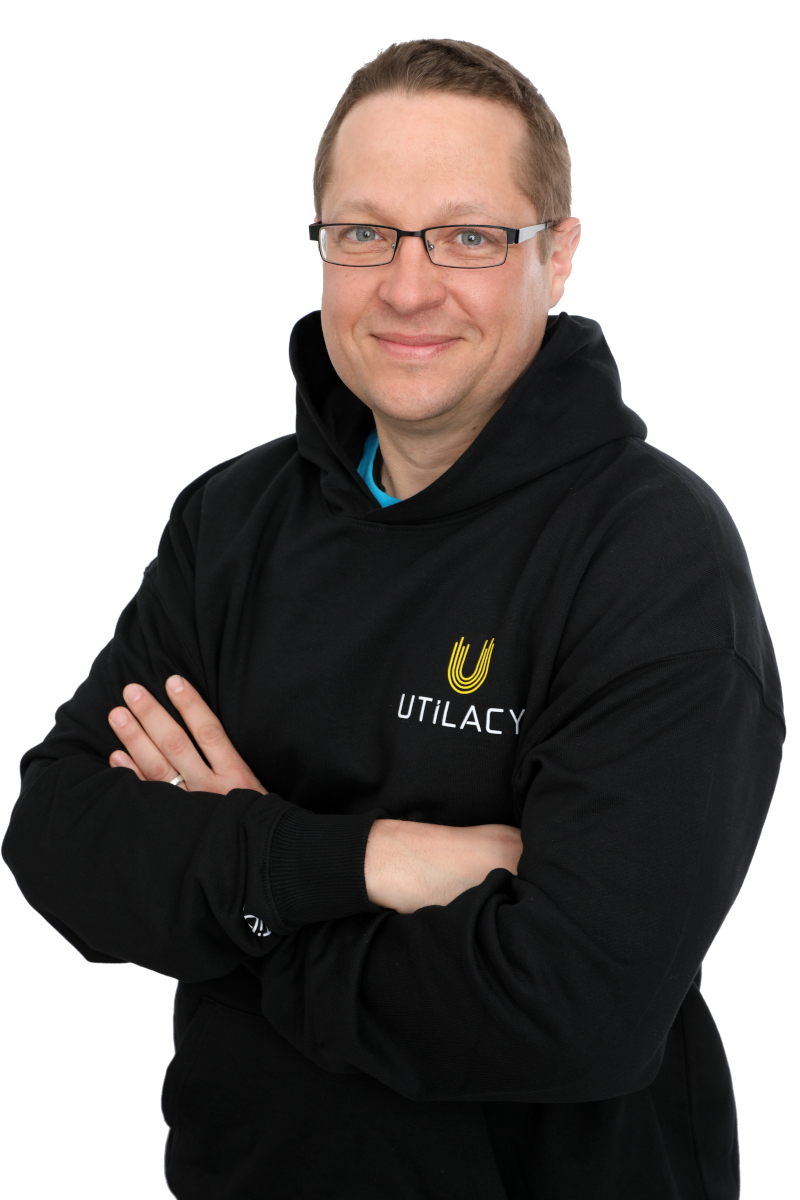
Co-Founder & Cryptography Lead
Tibor leads security architecture and research. He is Professor of Cryptography and IT Security at the University of Wuppertal.
Design Principles
We minimize trust by following two principles: the Principle of Least Plaintext and the Principle of Least Control.
We address challenges at their root cause instead of adding layers of complexity and workarounds.
We preserve what already works by building on existing applications, protocols, and infrastructure instead of reinventing established solutions.